Basic Information
| Field | Details |
|---|---|
| Full Name | Tanya Amyx Berry |
| Birth | 1936, California |
| Also Known As | Tanya Amyx, Tanya Berry |
| Roles | Artist, photographer, agrarian, editor, typist |
| Residence | Lanes Landing Farm, Henry County, Kentucky |
| Spouse | Wendell Berry, married May 29, 1957 |
| Children | Mary Dee Berry (1958), Pryor Clifford “Den” Berry (1962) |
| Notable Work | For the Hog Killing, 1979 (photobook, 2019) |
| Education | University of Kentucky, studies in music, French, English |
| Community Involvement | Port Royal Baptist Church, local library board, neighbor-to-neighbor aid |
| Years Rooted in Henry County | Since 1965 |
Early Life and Education
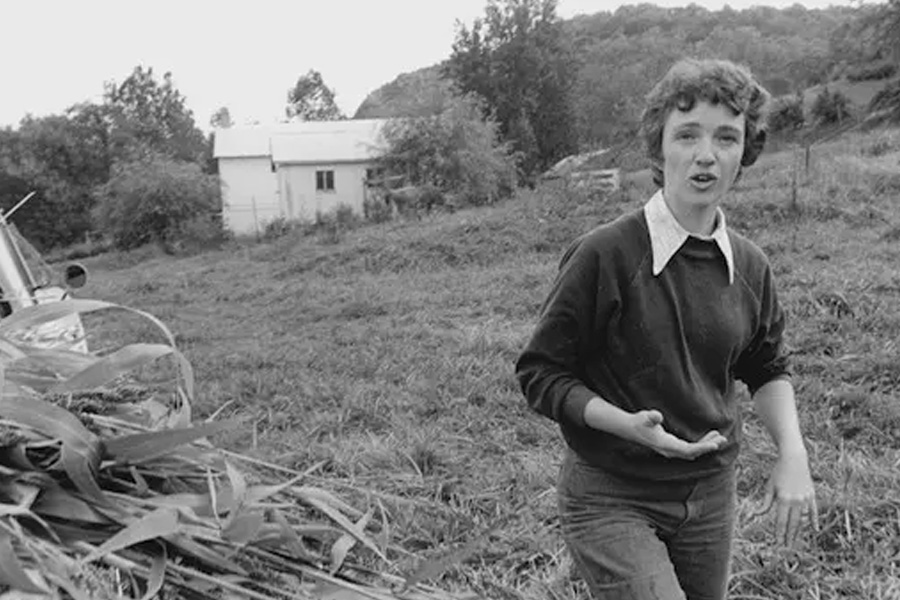
Tanya Amyx, born into an artistic family, attended 20 schools before adulthood. Father Clifford Amyx chaired the University of Kentucky art department, and mother Dee Amyx was an artist. That household of brushes, paints, and music taught patience and eye technique. Tanya studied French, English, and music at Kentucky. Her pragmatic decision to marry before finishing her final six credits foreshadowed a life focused on craft rather than credentials.
Meeting Wendell Berry and a Lifelong Partnership
Lexington was where Tanya met Wendell Berry in October 1955. On May 29, 1957, they married, beginning an almost 70-year collaboration in art, farming, and correspondence. She was his first reader, typist, and harshest critic, a quiet counterpoint to a prodigious public presence. Their early marriage includes seasons in California while his Stegner Fellowship and a year in Europe during his Guggenheim Fellowship. They returned home to Henry County, Kentucky, in 1965.
Settling at Lanes Landing Farm
The Berrys moved to 12-acre Lanes Landing Farm in 1965 with minimal modern amenities. Over time, the farm reached 120 acres. Work was learned incrementally. Their days revolved on gardens, animals, hay fields, and neighborly exchange. Tanya learnt to raise animals, preserve food, feed neighbors, and keep a farm ledger. The family has always practiced rootedness, using land as teacher and text.
The Work of Hands and Eyes: Photography and Art
No billboard featured Tanya’s painting. It developed like tree rings through practice and unnoticed skill. Her photography captures agrarian customs and community. She beautifies work. She illuminates hands, aprons, and steam to reveal the truth about private work. She looks polite to the humans and animals in the frame.
For the Hog Killing, 1979
Tanya shot a Henry County neighbor’s communal hog killing in 1979. The pictures formed her best-known book, For the Hog Killing, 1979, released in 2019 with an article by Wendell Berry. Work is not showy. It witnesses. These photographs read like a virtue manual: clean tools, cautious hands, and common purpose. Hogs become food, not symbols. People practice a seasonal rite with precision and gratitude as a temporary guild. Tanya’s sequence is ritualistic, each step important and obvious, elevating the everyday without romanticism.
Editing, Typing, and the Making of Books
Tanya used a 1956 Royal Standard manual typewriter to draft Wendell’s work for decades. The Berry family hears that machine’s rhythm. She touched the prose to feel its rhythm on paper. She used domestic editorial art to structure impulse and weigh concept as a first reader. Although her name is not on the spines, many volumes include this intimate work.
Family Snapshot
| Family Member | Relationship | Birth Year | Notes |
|---|---|---|---|
| Wendell Berry | Husband | 1934 | Author, poet, farmer, activist; lifelong collaborator |
| Mary Dee Berry | Daughter | 1958 | Executive director of The Berry Center; farmer in Henry County |
| Pryor Clifford “Den” Berry | Son | 1962 | Farmer managing 165 acres with beef cattle and hay |
| Clifford Amyx | Father | N/A | Artist; chaired University of Kentucky’s art department |
| Dee Amyx | Mother | N/A | California artist |
| Grandchildren | Five | Various | College educated; careers in teaching, photojournalism, union work |
| Charlcye | Great-grandchild | N/A | Mentioned in family accounts |
Community, Faith, and Place
A house’s foundation is time, its mortar is neighborliness. Tanya hosts, visits, serves at church, is on the library board, and helps neighbors. Her family’s hospitality has shaped faith and community. A rural community thrives on the Berrys’ reciprocity.
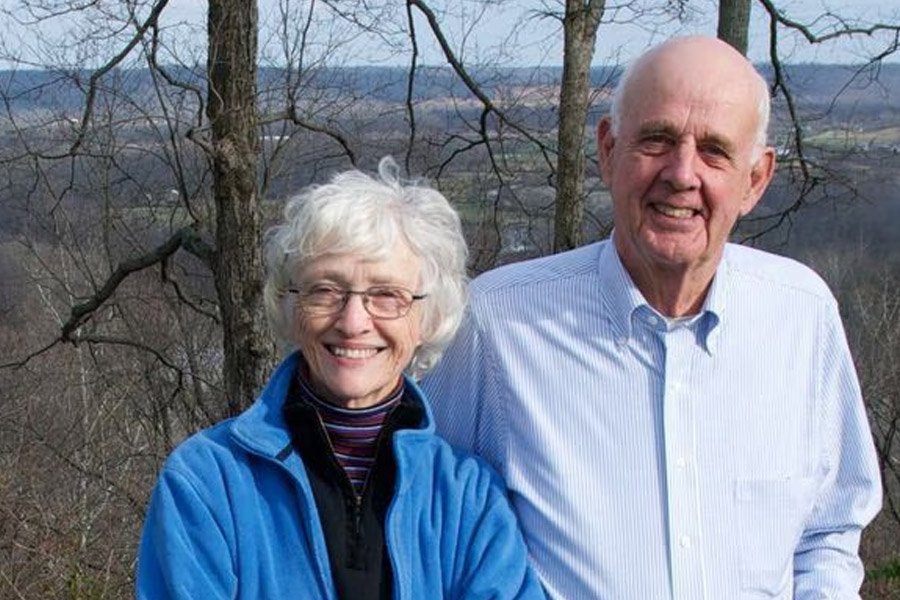
The Berry Center and Family Philanthropy
Their daughter Mary Dee leads the Berry Center in Kentucky, which holds their agrarian commitments in trust. Its programs promote small farms, local economies, and stewardship. Tanya influence is seen in its emphasis on work over praise and practice over declaration. Recent family donations include matching gifts to provide holiday meat to needy families.
Recent Notes and Ongoing Presence
Tanya is most often mentioned in tributes to her birthday, book, and legacy in the mid-2020s. Her life as a musician, homemaker, photographer, gardener, and collaborator has been analyzed in lectures and essays. Her privacy and place preference remain. The camera, typewriter, and kitchen table remain her most expressive tools.
Timeline Highlights
| Year | Event |
|---|---|
| 1936 | Born in California to Clifford and Dee Amyx |
| Early 1950s | Community college, then University of Kentucky |
| 1955 | Met Wendell Berry in Lexington |
| 1957 | Married May 29 |
| 1958 | Daughter Mary Dee born |
| 1959 to 1961 | Lived in California during Stegner Fellowship |
| 1961 to 1962 | Traveled in Italy and France during Guggenheim Fellowship |
| 1962 | Son Den born |
| 1965 | Settled at Lanes Landing Farm, Henry County, Kentucky |
| 1979 | Photographed communal hog butchering |
| 2019 | Published For the Hog Killing, 1979 |
| 2020s | Continued family farming, community service, and philanthropic support |
FAQ
What is Tanya Amyx Berry best known for?
Her 2019 photobook For the Hog Killing, 1979, which documents a communal hog butchering in rural Kentucky.
Where does she live now?
She has lived at Lanes Landing Farm in Henry County, Kentucky since 1965.
How did she contribute to Wendell Berry’s work?
She served as his first reader, editor, and typist, often shaping manuscripts on a 1956 Royal Standard manual typewriter.
When did she marry Wendell Berry?
They married on May 29, 1957.
What did she study in college?
She studied music, French, and English at the University of Kentucky.
How many children does she have?
Two children, Mary Dee and Den.
What is The Berry Center?
It is a family founded organization led by Mary Dee Berry that advances ideas supporting small farms and rural communities.
What themes define her photography?
Community, place, and the dignity of everyday agrarian work.
What happened in 1979 that became central to her book?
She photographed a neighbor’s communal hog butchering, later compiled in her 2019 photobook.
Is she active on social media?
No, mentions of her are usually through family and organizational accounts rather than personal profiles.