Basic Information
| Field | Details |
|---|---|
| Full name | Louisa Matilda Jacobs |
| Also known as | Louisa Jacobs; Ellen in her mother’s narrative |
| Birth | c. 1842 to 1843 |
| Birthplace | Edenton, North Carolina, United States |
| Status at birth | Enslaved |
| Path to freedom | Escaped or was brought to Union lines during the Civil War |
| Mother | Harriet Jacobs, author and abolitionist |
| Father | Samuel Tredwell Sawyer, white lawyer and congressman |
| Sibling | Joseph Jacobs, called Benny in accounts |
| Maternal grandmother | Delilah Horniblow, known as Aunt Martha |
| Maternal lineage | Elijah Knox |
| Residence in freedom | Alexandria, Virginia |
| Notable for | Central presence in Incidents in the Life of a Slave Girl |
| Documentation | Letters, Freedmen era records, references in Harriet Jacobs’s writing |
| Later life | Lived as a free woman; records are limited |
Origins in Edenton and the First Bonds
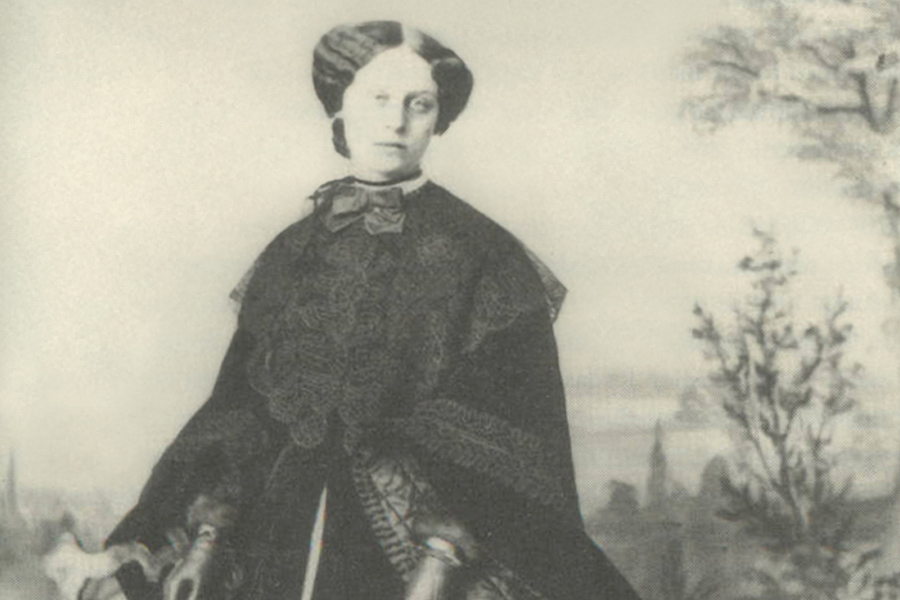
Louisa Matilda Jacobs was born in Edenton, North Carolina, approximately 1842–1843, into a property-based legal system. Harriet Jacobs, her mother, wrote a groundbreaking autobiography of enslaved women’s inner lives with unusual candor. Her father, Samuel Tredwell Sawyer, was a white lawyer and legislator whose authority reflected the times. He was a father but didn’t defend his child’s independence.
In this crucible, Louisa’s maternal family watched over her early ties. Her grandmother, Delilah Horniblow, known as Aunt Martha, was a storm anchor. Despite legal insecurity, the household maintained care and trading. Early years instilled seeds of perseverance and set the foundation for separations no child should suffer.
A Mother in Hiding, a Grandmother in Plain Sight
Harriet Jacobs hid in a crawlspace for years to protect her children from maltreatment. This incredible sacrifice affected Louisa’s childhood more than official records. The concealing place protected and isolated a mother. Aunt Martha provided daily bread and moral support for the family in the open.
Through this familial choreography, Louisa learned the choreography of caution: when to be present, when to be elsewhere, how to read a room, how to keep a secret. Her family was her first school, and survival was the curriculum.
Separation, Renaming, and the Making of a Narrative
Harriet Jacobs portrays Louisa as Ellen in Incidents in the Life of a Slave Girl to protect the living and communicate the truth. The rename reflects the era. Resistance and print shaped bondage children’s identities. Louisa appears briefly in the book but electrifies. She shows readers daughters and sons’ costs as brilliant faces whose futures were at risk.
By the 1850s, forced separation was common. Louisa’s migrations, relocations, and weaknesses were a subplot in a bigger play that revealed slave society’s DNA to people nationwide. The novel was released in 1861 when Louisa was 18 or 19. Her mother’s remarks provided insight. Their shadows are lengthy and protecting.
War Years and the Crossing into Freedom
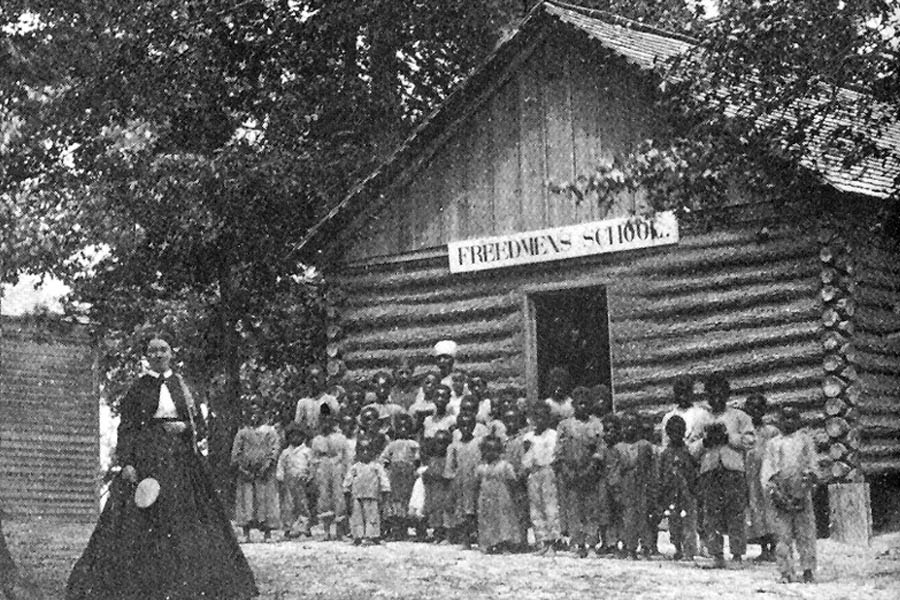
Like a deluge, the Civil War changed lives. Louisa escaped or entered Union territory in the early 1860s. Alexandria, Virginia, became a refuge. She reunited with Harriet as a mother and daughter, but also as two women navigating delicate freedoms and new institutions.
Numbers were as potent as names then. Under Union control, hundreds of thousands moved between 1861 and 1865. Alexandria helped Louisa recuperate, get an education, and reclaim her dignity. Her existence indicated a legal transition from property to person, silence to cautious expression.
Learning, Work, and Reconstruction Era Life
Louisa’s employment history is unclear, but the contours are obvious. She studied and worked to support families and communities in change. For many freedwomen, Reconstruction life revolved around domestic labor, caregiving, and mutual aid. Louisa’s calm effort feeds, houses, and educates people while politics rage.
Financial footprints were small. No validated asset ledger or gold-named property registry exists. Normal and instructive absence. Freedwomen lived without the paper trails historians and biographers cherish. Louisa is important because she preserves a family’s history and animates a classic text.
Family Ties That Bind and Complicate
Louisa’s family relationships tracked the paradoxes of the age.
- Her mother, Harriet Jacobs, was both parent and public witness, turning private suffering into political testimony.
- Her father, Samuel Tredwell Sawyer, occupied positions of status yet did not use them to deliver lasting safety to Harriet or their children.
- Her brother, Joseph Jacobs, known as Benny, charted his own way, including service as a sailor and the pursuit of an independent life.
- Her grandmother, Delilah Horniblow, kept the center from falling apart, a figure of authority and resourcefulness.
- The maternal lineage that included Elijah Knox hints at deeper roots of resilience, even if the details remain dim.
These ties were not abstractions. They were the ropes that pulled a family across a chasm.
Family Reference Table
| Name | Relation to Louisa | Lifespan or noted dates | Notes |
|---|---|---|---|
| Harriet Jacobs | Mother | 1813 to 1897 | Author of Incidents in the Life of a Slave Girl; hid for years to protect her children. |
| Samuel Tredwell Sawyer | Father | Active mid 19th century | White lawyer and congressman; did not secure freedom for Harriet or the children in early years. |
| Joseph Jacobs | Brother | 19th century | Called Benny in accounts; later served as a sailor and lived independently. |
| Delilah Horniblow | Maternal grandmother | 19th century | Known as Aunt Martha; central caregiver and protector. |
| Elijah Knox | Maternal lineage | 19th century | Identified in genealogical records; fewer details known. |
Timeline of Key Moments
| Year or period | Event |
|---|---|
| c. 1842 to 1843 | Birth in Edenton, North Carolina, into slavery. |
| 1840s to 1850s | Raised under the care of Aunt Martha while Harriet Jacobs hid to resist abuse. |
| 1850s | Endured separations and relocations typical for enslaved children. |
| 1861 | Publication of Incidents in the Life of a Slave Girl, with Louisa represented as Ellen. |
| Early 1860s | Escape or removal to Union territory during the Civil War. |
| 1860s | Residence in Alexandria, Virginia; access to education and relative safety. |
| Late 1860s to 1870s | Life as a free woman; records become sporadic. |
| Late 19th century | Quiet adulthood outside the bright light of public documentation. |
Presence on the Page, Presence in the World
Public recognition of Louisa is paradoxical. She is central. The stakes of her mother’s story would be less tangible without her. She fights a system that split families with her vulnerabilities. She’s peripheral. The documentary record is incomplete. Like a drafty flame, her existence flickers near the frame’s edge.
However, the outline is strong. She escapes wartime servitude. Education is her goal. Freedpeople developed unstable social worlds from scratch with her help. She carries the quiet gravity of people who survived without memoirs yet made everyday judgments.
How Histories Remember Louisa Matilda Jacobs
Recent public debates of Harriet Jacobs and schools exploring slavery’s personal aspects implicitly mention Louisa. She is Ellen to museums, instructors, and readers, but the daughter at the core of the story is revealed. Social media references are concise, informative, and not biographical.
Her small paper trail does not diminish her importance. Instead, it reminds us how many lives anchor major works while remaining partially offstage. Louisa’s story is a thread that helps hold an American tapestry together.
FAQ
Who was Louisa Matilda Jacobs?
She was the daughter of Harriet Jacobs, born into slavery in Edenton, North Carolina, around 1842 to 1843, and later lived as a free woman. She appears as Ellen in her mother’s famous narrative.
What is Louisa’s connection to Incidents in the Life of a Slave Girl?
She is a central figure within the story’s emotional core and is represented under a pseudonym to protect her identity. Her experiences highlight the impact of slavery on children and families.
How did Louisa gain her freedom?
During the Civil War, she escaped or was brought into Union-controlled territory. She then lived in Alexandria, Virginia, with access to education and relative security.
Who were Louisa’s parents?
Her mother was Harriet Jacobs, the abolitionist author, and her father was Samuel Tredwell Sawyer, a white lawyer and congressman. Their relationship reflects the complex power dynamics of slavery.
Did Louisa have siblings?
Yes, she had a brother named Joseph Jacobs, often called Benny in accounts. He later served as a sailor and lived independently.
What role did her grandmother play?
Delilah Horniblow, known as Aunt Martha, provided day to day care and protection while Harriet was in hiding. She was the family’s stabilizing force.
Where did Louisa live after escaping slavery?
She lived in Alexandria, Virginia, during the 1860s. The city was a hub for freedpeople seeking safety and opportunity.
Are there detailed records of Louisa’s career or wealth?
No, there are no substantial records of a formal profession or financial holdings. This absence is common for formerly enslaved women of her era.
Why is Louisa less known than her mother?
Her life was not extensively documented beyond family writings and Freedmen era references. As a result, her legacy survives mainly through the pages of her mother’s book.
What names might she appear under in historical records?
She may appear as Louisa Jacobs or as Ellen within Harriet Jacobs’s narrative. The pseudonym was used for protection and privacy.