Basic Information
| Field | Details |
|---|---|
| Name | Booker T. Washington III |
| Born | January 10, 1915, likely at Tuskegee Institute, Alabama |
| Died | November 13, 1994, New York City |
| Occupation | Architect and educator in civic life |
| Known For | Grandson of Booker T. Washington, architectural practice in New York, family heritage stewardship |
| Parents | Booker T. Washington Jr. (1887-1945) and Nettie Blair Hancock Washington (1887-1972) |
| Sibling | Nettie Washington Douglass (1917-1982) |
| Spouse | Joyce Dodson Washington (1927-2011), married c. 1968 |
| Children | Dr. Larry H. Washington, M.D. (b. c. 1960s) |
| Residences | Childhood in New York City; adult life in Harlem, notably a brownstone on West 137th Street |
| Civic Roles | Associate Editor, The Southern Letter, 1948 |
| Burial | Trinity Church Cemetery, Manhattan |
Early Life and Heritage
Booker T. Washington III was born on January 10, 1915, perhaps at Tuskegee Institute in Alabama, where his family was from. His birth occurred the year his grandfather, Booker T. Washington, died, tying him to a national legacy. His father, Booker T. Washington Jr., was the son of Booker T. Washington and Olivia Davidson Washington, an educator who inspired the Washington family after her death in 1889. From these lines, Booker III inherited a story of education, tenacity, and public service.
He was descended from his great-grandparents Washington and Jane Ferguson Washington. Jane, a Virginia slave, fled; Washington Ferguson was free. They raised their son, Tuskegee’s founder, from a salt furnace and coal mines to national prominence. Persistence was real in this household. It was daily routine.
Booker III’s childhood unfolded largely in New York City, where he grew up as heir to a renowned name without living as a public celebrity. The family blended Southern roots with urban life, balancing the weight of history with the practicalities of modern America.
A Family Portrait: Washingtons and Douglasses
Washingtons lived in classrooms, communal rooms, church basements, and lecture halls. Dad Booker Jr. married Nettie Blair Hancock in 1913. WWII veteran, he died in 1945. Born in Texas in 1887, his mother Nettie lived until 1972 and anchored the family’s cross-regional links. Teacher and social worker Nettie Washington Douglass, Booker III’s sole sibling, was born in 1917. She married Dr. Frederick Douglass III (1913-1942), a civil-rights champion and Veterans official, connecting the Washingtons to Douglass’ genealogy.
This marriage braided two of the most storied African American lineages into a single extended family. The historical symbolism is unmistakable: industrial education and self-help tied to abolitionist thunder. Booker III, steady and methodical, belonged to both legacies by blood and by bond.
Key Family Members
- Paternal grandparents: Booker T. Washington Sr. (1856-1915) and Olivia Davidson Washington (1854-1889)
- Great-grandparents: Washington Ferguson (c. 1824-1905) and Jane Ferguson Washington (d. 1876)
- Father: Booker T. Washington Jr. (1887-1945)
- Mother: Nettie Blair Hancock Washington (1887-1972)
- Sister: Nettie Washington Douglass (1917-1982)
- Brother-in-law: Dr. Frederick Douglass III (1913-1942)
- Spouse: Joyce Dodson Washington (1927-2011)
- Son: Dr. Larry H. Washington, M.D. (b. c. 1960s)
Craft and Calling: Architecture and Civic Stewardship
Unlike his grandfather, Booker T. Washington III kept a low profile. He became an architect, which requires patience and precision. Newspapers showed him in his West 137th Street Harlem brownstone with books, architectural sketches, and family papers in the late 1970s and early 1980s. He was proud of his work, producing functional, durable environments.
No monumental buildings bear his name, but his career matters more. His stability stood out in a field where African American architects experienced commissions and visibility challenges. Craft was his platform, and he stood with quiet dignity.
He worked on family legacy. He was associate editor of the Booker T. Washington Birthplace Memorial periodical The Southern Letter in 1948. He collected papers and shared ideas in interviews to preserve and interpret his grandfather’s memories. His 1968 letter to his wife, published subsequently, showed his contemplative voice and civic-mindedness.
Marriage, Home, and Daily Life
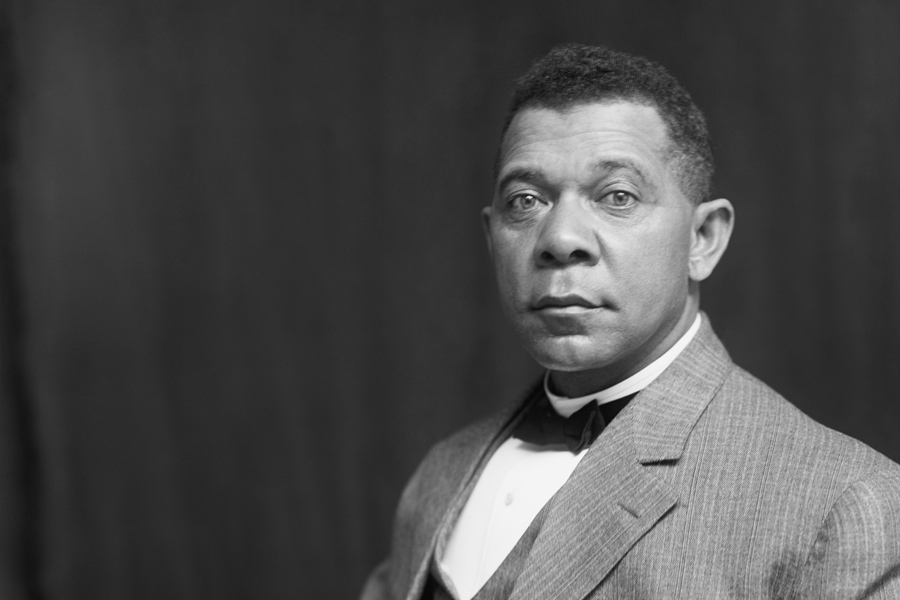
Joyce Dodson, a teacher who became a Weeksville School principal and Episcopal deacon, married Booker III in 1968. Their marriage lasted 26 years until his 1994 death. They have a son, Dr. Larry H. Washington, who studied medicine. Learning was not a slogan in their Harlem home. It was in the furniture, their weeks, and their student and community work.
He was surrounded by books and family records, not as a collector for vanity, but as a custodian who knew the value of a name. The brownstone was like a ship in a harbor of stories, on a block where history and daily life met.
Timeline of Key Events
| Year | Event |
|---|---|
| 1915 | Born January 10, likely at Tuskegee Institute, Alabama |
| 1915 | Grandfather Booker T. Washington Sr. dies in November |
| 1917 | Sister Nettie Washington born |
| 1945 | Father Booker T. Washington Jr. dies |
| 1948 | Associate Editor, The Southern Letter at the Booker T. Washington Birthplace Memorial |
| c. 1965-1968 | Marries Joyce Dodson and begins family life |
| 1968 | Writes a personal letter to Joyce dated February 4 |
| 1981 | Profiled living in a Harlem brownstone, practicing architecture |
| 1994 | Dies November 13 in New York; buried at Trinity Church Cemetery |
| 2011 | Joyce Dodson Washington dies, having been married to him for 26 years |
Bridging Histories: Washington and Douglass
Through his sister Nettie’s marriage to Dr. Frederick Douglass III, Booker III faced a significant turning point in American history. The Washington line represented institution-building, vocational training, and economic independence. Douglass represented abolition, oratory, and zeal for citizenship. Booker III influenced both currents without megaphones. He neither left nor stayed in the past. Instead, he kept records, gave interviews, clarified details, and supported his grandfather’s worldview when asked.
Public Role Without Public Office
He held no mayorships or corporate board chairs. Financial information is private. Architect, editor, and memorial and educational activist, his public life was discreet. The absence of headlines did not negate impact. He built with lines, angles, and light, creating cultural memory with words and meticulous stewardship like an architect.
The Educator at Home
Despite not teaching, his life intersected with education. Joyce, his wife, shaped schools and mentored instructors. He reflects on community life in his letter. His interviews and archival work helped the civic classroom beyond buildings. Home as seminar, community as campus, archives as live curriculum—this was education in the round.
Memory, Material, and Place
Booker III’s interment at Trinity Church Cemetery in Manhattan places him among noteworthy New Yorkers. One type of monument is a grave. Other monuments include architectural designs, family records, oral histories, photos, and peaceful afternoons reading. As Booker T. Washington Sr. built institutions, his grandson built continuity. He maintained the past-present windows open to let stories and air circulate.
FAQ
Who was Booker T. Washington III?
He was an American architect and the grandson of Booker T. Washington, active in New York civic and cultural life.
When and where was he born?
He was born January 10, 1915, likely at Tuskegee Institute in Alabama.
What did he do professionally?
He practiced architecture in New York and took part in civic and memorial work linked to his family legacy.
Did he hold political office or major corporate roles?
No, there is no record of him holding political office or heading major corporations.
Was he wealthy?
Specific financial details are not publicly documented.
Whom did he marry?
He married educator Joyce Dodson around 1968, and they were married for 26 years.
Did he have children?
Yes, one son, Dr. Larry H. Washington, who became a medical doctor.
How is he connected to Frederick Douglass?
Through his sister, Nettie Washington Douglass, who married Dr. Frederick Douglass III.
Where did he live as an adult?
He lived in a Harlem brownstone on West 137th Street, surrounded by books and family memorabilia.
Where is he buried?
He is buried at Trinity Church Cemetery in Manhattan.